Showing posts with label reviews. Show all posts

Wednesday, 9 April 2025

Review by Lee Wright of "On Writers and Writing" by Henry James


The essays featured in On Writers and Writing span fifty years and include Henry James’ short reviews, obituaries, reflections on the works of other writers, and a few personal statements of principle. In these writings, he offers insights on both how to write and how to read. Edited and introduced by Pulitzer Prize finalist Michael Gorra, this collection reveals how James honed his skills as a critic long before establishing himself as a novelist. The essays underscore the importance of criticism in shaping a writer’s craft. James critiqued the mistakes of his predecessors, hoping that by learning from them, he might one day get it right himself. 

In the opening essay of the book, "The Art of Fiction," Henry James uses English novelist Walter Besant’s lecture of the same name as a starting point for his own reflections on the art of fiction and argues that literature should either instruct or amuse. He does not mention Shakespeare, though, who challenged and delighted in equal measure, albeit not in novel form. There is an essay included on The Tempest in the latter stages of the book, though it stands out as one of the drier pieces in the collection. A more engaging piece is his review of Charles Dickens’ Our Mutual Friend, in which James describes it as a work "lacking in inspiration" and remarks, "For the past ten years, it has seemed to us that Mr. Dickens has been unmistakably forcing himself. Bleak House was forced, Little Dorrit was labored, and this current work feels as though it has been dug out with a spade and pickaxe." 

With the same metaphorical pickaxe, the then 22-year-old James continues, "It were, in our opinion, an offence against humanity to place Mr. Dickens among the greatest novelists. For, to repeat what we have already intimated, he has created nothing but figure. He has added nothing to our understanding of human character. He is master of but two alternatives: he reconciles us to what is commonplace, and he reconciles us to what is odd. The value of the former service is questionable; and the manner in which Mr. Dickens performs it sometimes conveys a certain impression of charlatanism."

The harshness of James’ language and the sweeping nature of his criticism are like the sting of a hornet. He doesn’t simply critique Dickens’ work; he almost entirely dismisses it as lacking genuine literary depth. He also calls George Eliot’s Middlemarch "One of the strongest and one of the weakest of English Novels," going on to argue that Eliot’s ambition is commendable but ultimately flawed: "The author wishes to say too many things, and to say them too well; to recommend herself to a scientific audience.” In 1885, George Eliot’s husband, John Walter Cross, published a semi-autobiographical work using extracts from her letters and journals, which Henry James later reviewed. James movingly notes that the letters and journals "are only a partial expression of her spirit." Another comment, though, seems to view womanhood primarily as a biological or physical condition, disappointingly implying that female authors, in general, may have inherent limitations or constraints due to their biology. 

Nevertheless, each piece evokes the sensation of sitting by the fire with James—a man shaped by his own greatest creation—breathless, just as his unnamed narrator is in the prologue of The Turn of the Screw. Not a word is spoken until the storyteller finishes reading the manuscript. At that point, we can choose to agree or disagree with the master.


About the reviewer
Lee Wright holds an MA in Creative Writing and is currently pursuing a PhD. His fiction and nonfiction have been published in Fairlight Books, Headstuff.org, époque press, and Cigarette Fire Literary Magazine.


Sunday, 27 October 2024

Review by Debasish Lahiri of "Endless Present: Selected Articles, Reviews and Dispatches, 2010-23" by Rory Waterman


Criticism, like poetry, cannot be written at arm’s length. At least not the best. The critic has to suffer the imperilment of the artist: enjoy a brief triumph, endure a trudge through morass. Not full of platitudes, yet not bereft of sympathy either, the critic must realise that the poet’s plod can become a flight at the turnpike of the next sentence, or a flight can slam into a ‘concrete’ end, just as easily. Rarely do critics keep the faith with poets, all the way. Nor do they often take a step back to roll their eyes and have a good laugh, about poetry and attempts at the ‘poetic.’ 

By contrast, Rory Waterman does take a step back, and he also keeps the faith. An accomplished and distinct voice in poetry himself, Waterman takes to criticism with the same honesty, courage and an eye for the original and powerful that characterises much of his own work. 

Endless Present is Waterman’s selection from fourteen years of engagement with the craft and art of poetry. One should consider the introduction to the collection as the sixty-eighth essay in it. It moors his art of reading and criticism in the vicissitude of his life, the vagaries of time, the lucky breaks and occasional epiphanies of growing up. Waterman shies away from being the omnipotent absence in his criticism. Rather, he puts himself right in harm’s way as a poet and reader while writing about the poetry of others. In a way his introduction chimes, uncannily, with the text of the eulogy delivered at his father’s funeral (later published in the PN Review). 

Waterman emerges as someone who is prepared to wrangle with his own choices and preferences, to be refreshingly not sure, and to let it all play out, in public, in his reviews and longer essays. An expanse of writing that has Philip Larkin and Daljit Nagra, the late 1950s and the second decade of the new millennium as its landmarks of space and time, Waterman’s collected criticism is endlessly present. It offers a view of where he sits (when critical writing about poetry has elsewhere become an anonymous exercise in intellectual generalisation) and writes words neither salaried, nor pensioned. 


About the reviewer
Debasish Lahiri is an internationally acclaimed poet. He has published eight collections of poetry, the most recent being Legion of Lost Letters (Black Spring Press, 2023). Lahiri is the recipient of the Prix du Merite, Naji Naaman Literary Prize 2019.


Thursday, 4 January 2024

Favourite Reads of 2023

At the end of every year, we ask readers to submit a micro-review of a favourite book they've read in the last twelve months. The book can be from any time or genre - the only qualification is that it has to be a book the reader found particularly memorable, striking or enjoyable. Here are the responses for 2023. Everybody's Reviewing wishes all its readers a happy new year of reading in 2024!


Kirsten Arcadio


The Running Grave, by Robert Galbraith: Not normally a fan of long, overly wordy novels, I've made an exception this year for Robert Galbraith's The Running Grave. This was a highly enjoyable, complex thriller with terrifying yet believable cult leaders and a damming insight into the psychological inner workings of its followers. If you think you'll never get sucked into a cult, think again. 


Joe Bedford


Local Fires, by Joshua Jones: In this collection of interconnected short stories, Jones’s treatment of his hometown (Llanelli, Wales) is by turns sensitive, evocative and ultimately mournful for a place, and a moment, which is fragile enough to vanish forever. In that sense, its resonance carries far beyond the borders of Llanelli, into those quiet parts of ourselves which know that what once was – our people and our places – can never be again.  


Kathleen Bell


Favourite non-fiction book: Dinner with Joseph Johnson: Books and Friendship in a Revolutionary Age, by Daisy Hay: I delved delightedly into Dinner with Joseph Johnson, which is centred on the remarkable career of one eighteenth-century bookseller and publisher (the two roles overlapped). Every few pages I would learn something new whether about the evolution of children’s literature, the risks of printing or selling radical pamphlets, or the tricky class status of booksellers. Many famous people knew and were published by Joseph Johnson; he employed Mary Wollstonecroft as a full-time writer while William Blake was one of his engravers. But there are numerous other characters outlined in this history who deserve to be just as well known.


Favourite fiction: Maud Martha, by Gwendolyn Brooks, was first published in 1953 but I only came across it this year. It’s the shortest novel I read this year and many of the chapters are only one or two pages long but I spun out the reading for weeks, often relishing a single chapter at a time. As might be expected, Gwendolyn Brooks has a poet’s skill with language as well as a sharp observation, here turned towards the details of African-American life. Maud Martha - perhaps drawing on Brooks’s own experience - is full of dreams, hopes and ambition even as she contends with grating humiliations from people who see her only in terms of her social class and darker skin colour. I started reading this hoping to gain insights into Brooks’s poetry, which it certainly provided, but this is a great and perceptive novel in its own right.


Laurie Cusack


The Three-Body Problem, by Cixin Liu: Cosmic Rentokil: Complete Experts in Galactic Pest Control – Distance, not a problem! Competitive … oh, yes! Gallows humour aside − Cixin Liu’s mighty doorstoppers The Three-Body Trilogy blew me away! Frenzied page turning. Unputdownable. I could hear my head squeaking. Scared? we should be ...


Sam Dawson


11.22.63, by Stephen King: Somewhere, out in the netherworld of possibility, a story exists about a time-traveller stopping the assassination of JFK on the 22nd of November 1963. Thankfully, 11.22.63 by Stephen King is a whole lot more. 11.22.63 is a time capsule, a love story, an ode to the uncanny. At over 700 pages, it somehow never outstays its welcome. Brilliant! 


Kristy Diaz


Penance, by Eliza Clark: Examining both the morally ambiguous explosion of society's fascination with true crime and the esoteric world of 2010s Tumblr culture, this ambitious novel brings you to a northern seaside town with a dark history and a horrifying murder case—a thrilling glimpse inside the mind of the 'extremely online' teenage girl. 


Rosa Fernandez


When Death Takes Something From You Give It Back: Carl's Bookby Naja Marie Aidt (translated by Denise Newman): This is a moving, poetic, tragic, beautiful text; an incredible document of the absolutely unthinkable. A masterclass in writing about grief, one you stay up to finish, it's that good. The resilience to make art out of awfulness is a real feat and this is a great demonstration of that.


Mellissa Flowerdew-Clarke


You Let Me In, by Camilla Bruce, reads like a horrific fairytale. It entwines folklore with reality, slipping between the two to create a surreal world where dark sexual awakenings, abuse, and murder flit between the real and unreal. Sinister, cruel, and totally enthralling, it encapsulates the complexity of trauma, and how the escapism we construct for ourselves can be equally as horrifying as what it is we’re trying to forget.


Neil Fulwood


Erotic Vagrancy: Everything about Richard Burton and Elizabeth Taylor, by Roger Lewis: Assiduous, acerbic, scabrous, highbrow, lowbrow and all the brows in between, Erotic Vagrancy swings from passages of blazingly passionate declamation to grumpy-old-man irascibility. It’s a work that simultaneously wants to hymn a certain period in pop culture and start a fight with the modern age. Unlike any other biography or film-related title out there, it is easily the book of the year.


Beth Gaylard


The Giver of Stars, by Jojo Moyes: Set between two world wars in the Appalachian Mountains, this is the story of how a dedication to enabling readers in remote areas leads to near disaster for Margery and Alice, two women who definitely don't fit the expected feminine mould. Together with other local misfits they form an intrepid band of librarians, travelling into the hills to deliver books to outlying homesteads, a mission that is not always well received at home. The story entwines two heartrending love stories, a childbirth scene that will have you on the edge of your seat, and a murder mystery to solve. Oh yes, and lots of horses. The horses are amazing. 


Timothy Grayson


The Black Spider, by Jeremias Gotthelf: A Faustian novella from 1842. To prevent her village from starving, a woman makes a pact with a mysterious stranger for his assistance (in exchange for something priceless), but when the village goes back on their word, something terrible awaits them all. My goodness, this was dark. Horrifying, but excellent.

And also ...


For Thy Great Pain Have Mercy On My Little Pain, by Victoria Mackenzie: A magnificent book. It brings fresh eyes and vitality to the lives of two real, medieval women of faith: Margery Kempe, and the anchoress Julian of Norwich. It is a work of fiction, but takes its inspiration from The Book of Margery Kempe (the first autobiography written in English by a man or woman) and Julian's Revelations of Divine Love (the earliest surviving book in English written by a woman). Interestingly, these women did meet in real life, and the latter part of the book deftly imagines their conversation. At times, I found myself moved beyond words, as if it was speaking to my soul. It may be classed as fiction, but the author has worked wonders here; it's almost as if she's assisted Margery and Julian in creating a new holy book. Outstanding. 


Gus Gresham


Murphy, by Samuel Beckett: I challenge anybody to best the humour and profundity of the opening line: 'The sun shone, having no alternative …' From this point on, Murphy's life is a tragedy shrouded in an absurdist daymare.


David John Griffin


The Barnum Museum, by Steven Milhauser: With its high-quality prose and the author's extraordinary imagination showing through the words, I was repeatedly blown away (and, should I be honest, slightly envious of his wonderful writing skills!).

Jack Peachey


Brave New World, by Aldous Huxley, presents a dystopia that is outwardly and inwardly repulsive in character, yet one that is shown with a verisimilitude I've scarcely seen in the genre; a naturalistic state with comprehensive worldbuilding. A challenging novel delivered with evocative prose, it far surpasses its contemporaries in creating a society that is at once alien and disconcertingly real. 


Karen Rust


Stonemouth, by Iain Banks: Set in the fictional Scottish coastal town of Stonemouth, we meet twenty-five-year-old Stu standing on the edge of what sounds like the Firth of Forth Bridge. He's back home for the first time in five years for the funeral of the patriarch of one of the towns' two gangster families - a family he was about to join, until a drunken indiscretion led to them trying to kill him, and a hasty exit on a goods train. Set over a few days, this is a masterclass in how to keep the reader hooked and drip feed the back story in until everything makes sense. Funny, cool and sometimes violent, we follow Stu as he navigates old school friends, the family who wanted him dead, and the woman he lost in his escape to London. An edgy and fun read, I could picture it in my head as a Trainspotting-style film, and have since found out it's been dramatised by the BBC, so will be checking it out on iPlayer! 


Teika Marija Smits


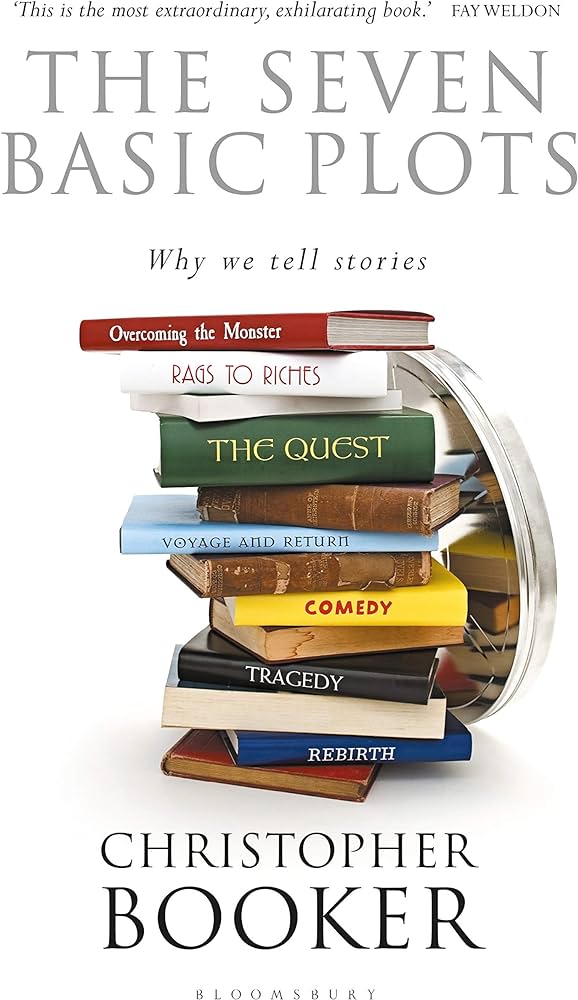
The Seven Basic Plots, by Christopher Booker: At over 700 pages long, it took me a long time to make my way through this book, but I know I’ve been profoundly changed by reading and reflecting on Booker’s theories. Not only has The Seven Basic Plots greatly enhanced my knowledge of literature, it has also deepened my understanding of how humans make sense of the world, and their lives, through stories. And as a fan of the theories of Carl Jung I appreciate the way Booker approached storytelling through a Jungian lens. To my mind, this is an essential read for everyone. After all, we are all the authors of at least one story - the story of our life.

Jonathan Taylor


What to Do Next, by Sue Dymoke: Brilliant author and educator Sue Dymoke died in 2023. This is her last collection of poems, and includes a beautiful preface by her partner, David Belbin. The book is a poignant memorial, then, but it is also a joyful celebration of life, of travel, of childhood, of science, of allotments, of what to do next.  


Maria Taylor


Half of a Yellow Sun, by Chimamanda Ngozi Adiche, is one of the best novels I’ve ever read. It’s an evocative and stirring narrative of two sisters both before and during the brutal Nigerian-Biafran war of 1967-70. The novel vividly depicts the emotional truth of their lives.


Miranda Taylor


Fruits Basket, by Natsuki Takaya, follows Honda Tohru, a young girl who has lived her life in solitude after losing her parents and her house. She encounters a family who takes care of her - however, the family is not as it seems, as they can change into animals of the zodiac. The story is a sad one yet also hopeful.


Rosalind Taylor


The Scum Villain's Self-Saving System, by Mo Xiang Tong Xiu, follows Shen Yuan, who reincarnates in a very badly-written novel as the abusive teacher of the protagonist, Shen Qingqui, whose fate is to die at the end at the hands of the protagonist. Scum Villain's Self-Saving System is very funny and enjoyable to read. I liked reading about the characters and how they change. 


Paul Taylor-McCartney


Prophet Song, by Paul Lynch: This is a visceral, heart-wrenching story of one woman's fight to keep her family together as her country descends into a totalitarian nightmare. Urgent and timely dystopian fiction that will live long in the memory.


Harry Whitehead


In the Eye of the Wild, by Nastassja Martin: In this fierce, dark and utterly unique memoir, French anthropologist Martin is attacked by (and attacks!) a huge bear in the Kamchatka wilderness, an event the shaman of the people she’s been studying had long warned her was coming. Unable to rationalise the psychological fallout from her injuries back in France, she returns to Siberia to embody the bear/human she’s become.  


Lee Wright


Ducks: Two Years in the Oil Sands, by Kate Beaton, is a graphic memoir of a young woman’s experiences working in the oil sands in Alberta. Kate Beaton grapples with the morality of the oil industry, faces harassment and sexual violence while working in an overwhelmingly male work force, reflects on environmental degradation, homesickness, loneliness, the health risks caused by the oil sands, and the destruction of the lands of the First Nations. 

Monday, 2 January 2023

Favourite Reads of 2022

At the end of every year, we ask readers to submit a micro-review of a favourite book from the last twelve months. The book can be from any time or genre - the only qualification is that it has to be a book the reader found particularly memorable, striking or enjoyable during the previous year. Here are the responses for 2022. Everybody's Reviewing wishes all its readers a happy new year of reading in 2023!


Kirsten Arcadio


Gabrielle Zevin, Tomorrow, and Tomorrow, and Tomorrow: "A novel after my own heart, Tomorrow, and Tomorrow, and Tomorrow by Gabrielle Zevin takes us through the story of Sam and Sadie, a pair of gamers and later, hugely successful tech creatives. Tomorrow is a kind of love story, the writing  as fluid and flexible as the series of games created by the protagonists that string each scene of the novel together. More than that, it’s a reflection on the human condition and its transit through many reincarnations, both real and virtual. I’m left with a sense that there’s always a Tomorrow, a chance to walk away from Game Over and start afresh." 


Joe Bedford


Olga Tokarczuk, Drive Your Plow Over the Bones of the Dead: "At 268 pages, Olga Tokarczuk's lyrical yet brutal Drive Your Plow Over the Bones of the Dead (translated by Antonia Lloyd-Jones) must be the longest novel I've read in a single sitting. The Nobel Prize-winner's exploration of animal ethics and Blakean spirituality within a classic whodunit structure is a masterclass in how novelists can interrogate the very depths of the human condition while still delivering an inescapable page-turner."


Kathleen Bell


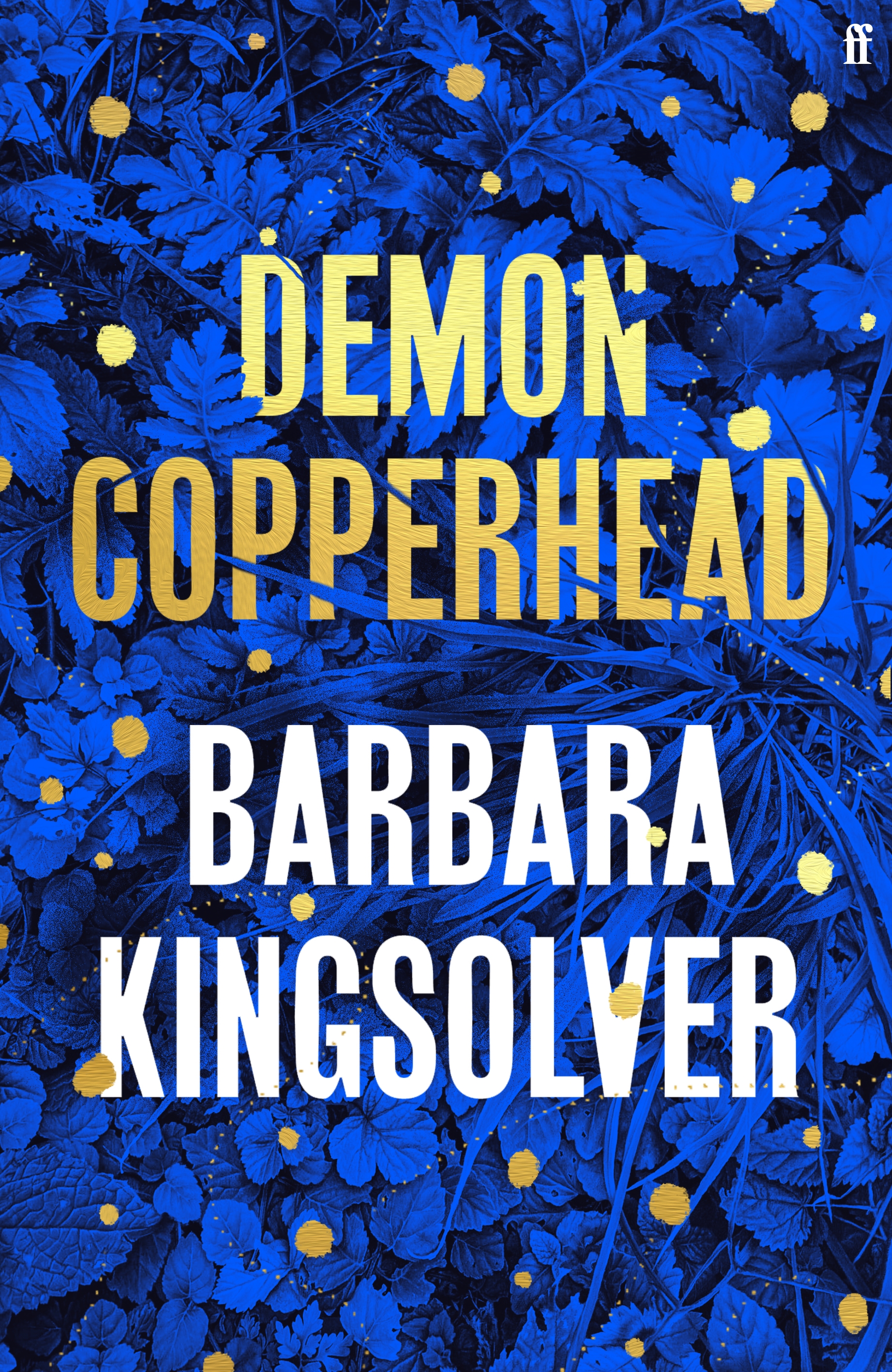
Barbara Kingsolver, Demon Copperhead: "It's been a great year for books, largely thanks to public libraries and their wonderful librarians. I would never have bought Barbara Kingsolver's Demon Copperhead in hardback, however much I wanted to read it, but the library loaned me a copy almost as soon as it came out - and once I'd started on the first page I couldn't put it down. I don't suppose I'll ever know how she achieved such a compelling voice in this reworking of David Copperfield but it was vital to the way the novel as a whole undermines some of the most deeply embedded class assumptions in the USA. Read it! Had it not been for Demon Copperhead I would probably have chosen the non-fiction book by Thomas Harding, White Debt: The Demerara Uprising and Britain's Legacy of Slavery or opted for a tie between two of the poetry collections I'm currently reading: A Little Resurrection by Selina Nwulu and Manorism by Yomi Sode. All these are well worth reading."


Laura Besley


Charlotte McConaghy, Migrations: "Migrations is a cli-fi novel about Franny Stone, a woman in her mid-thirties who decides to track the last remaining Arctic terns on their pole-to-pole migration. Offsetting the harshness of the setting and circumstances is McConaghy’s lyrical evocative language. This is a beautiful and engaging read."  


Laurie Cusack


John Fante, Ask the Dust "is a timeless, corking text that’s set in 1930s Los Angeles. It’s a superb portrait of a young budding down-at-heel wordsmith: Arturo Bandini. Young Bandini’s all-consuming ambition and his rites of passage are tough, hilarious and often bittersweet are laid bare in elegant fashion. Shout Fante’s dynamite refrain from every rooftop: 'I am Arturo Bandini.'" 


Andrew Dix


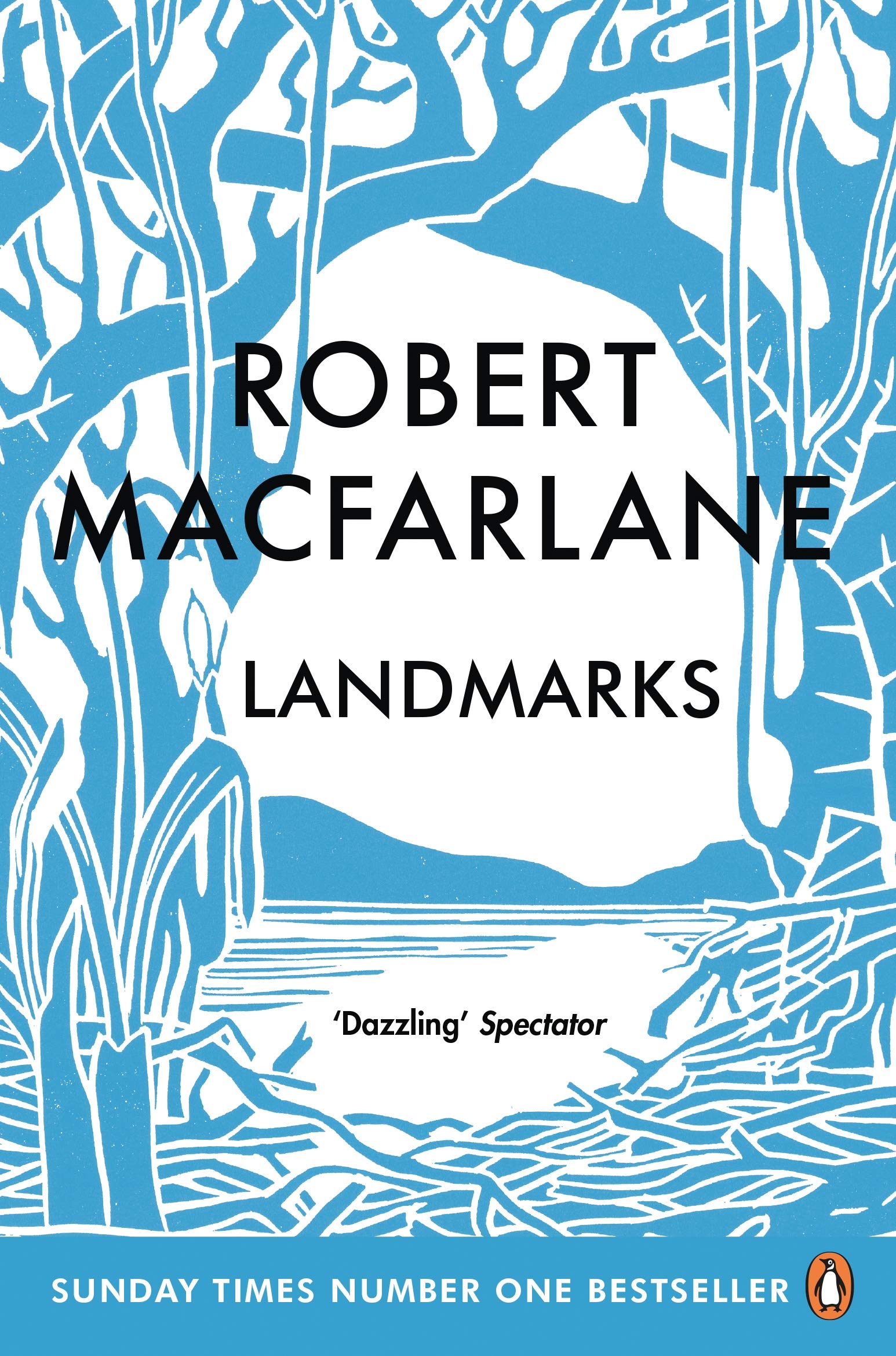
Robert Macfarlane, Landmarks: "I came to this book belatedly, but loved its verbal richness. Macfarlane reads a peat bog or the face of a mountain as sensitively as he does the contours of a text. On, or down, to Macfarlane's Underland in 2023!" 


Charlie Hill


Gwendolyn Brooks, 
Maud Martha: "Gwendolyn Brooks was the first African American to win a Pulitzer Prize. I'd never heard of her. This is an absolute joy: lyrical, unsentimental, and very modern."


Joe Joyce


Michelle Zauner, Crying in H Mart: "This book explored Zauner’s grief and life in such a well observed and musical way that I really connected to. She writes about loss so openly and honestly and lets her memories take the main focus."


Isabelle Kenyon


Imbolo Mbue, Behold the Dreamers: "Jenga and wife Neni don't have parental approval for their marriage, but they do have a shared dream of moving to New York. They find out the American dream is harsh and the break down of their dreams is moving, as is the outline of the immigration journey. I found it refreshing that the rich family they work for in the end are not demonised - no character is shown as in the right or the wrong absolutely." 


Andrew G. Lockhart


Carlos Ruiz Zafón, The City of Mist, translated by Lucia Graves: "This collection of eleven stories recalls the tone and splendour of Zafón’s novels. Dark, atmospheric and macabre, and crossing genre from literary through historical to fantasy, they feature angels, plague, labyrinths and dragons, as well as characters from the author’s earlier books. A wonderful celebration of a great writer taken from the world too soon."


Karen Rust


Iain Banks, The Wasp Factory: "Protagonist, Francis, does some awful things which might not be to everyone's taste, but they are consistent with his character. A fascinating tale of a family who live life differently as they cope with mental illness. I love the freedom Francis has to fill their own time, and the lyrical descriptions of the island and coast. A dark, funny, crazy and, ultimately, human read."


Jonathan Taylor


Naoki Urasawa, Monster: "This was recommended to me by my daughter Miranda. It is a remarkable, disturbing and sophisticated mingling of art, neurology, psychology, political history and adventure story: Death in Venice meets the 1970s TV series Incredible Hulk meets Les Misérables meets
The Omen. Brilliant."


Maria Taylor


Philip K. Dick, The Man in the High Castle: "In the first instance, this book is only loosely about the man in the high castle and is more about a 'what if' scenario. What if the Nazis had won the war, what terrible things would befall the fate of people across the world and how would America define itself as a 'colonised' state? A gripping and very strange book to read." 


Miranda Taylor (aged 14)


Tatsuya Endo, Spy x Family: "Spy x Family is one of my favourite reads of the year. It is a wholesome story about a spy, assassin and a telepath as their adopted child as they all try and hide their identities from each other. It becomes a cute and heart-warming story about their journey as a fake family."


Rosalind Taylor (aged 14)


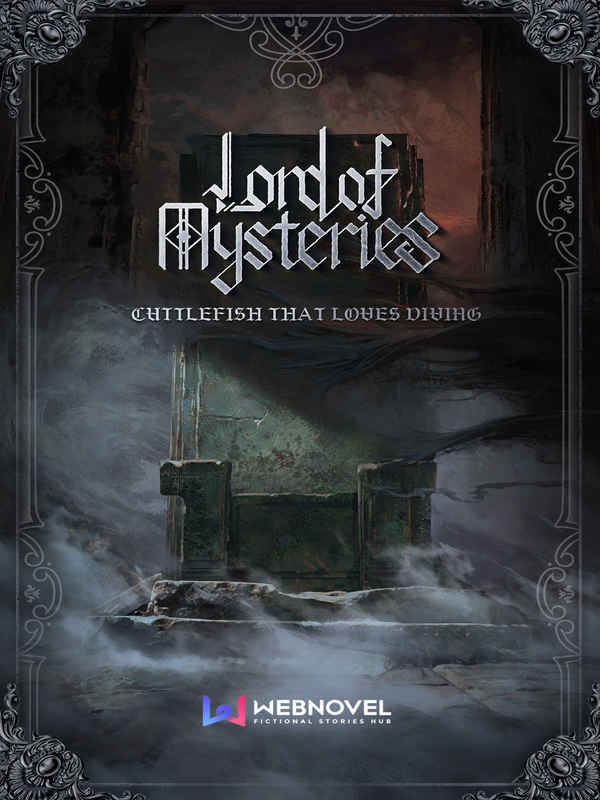
Cuttlefish That Loves Diving, Lord of the Mysteries: "Lord of the Mysteries is my favourite read of the year. It is about Klein Moretti who is transmigrated to another world set in Victorian England and it is also about gods. I really enjoyed the book series and the characters."


Paul Taylor-McCartney


John Banville, The Sea
"A short and concise meditation on the fallibility of human memory and its ability to both pollute and shape the present. Beautifully written and expertly structured, a literary masterpiece."


Helen Walsh


Donna Tartt, The Goldfinch: "The Goldfinch follows the fortunes of Theo Decker, orphaned by tragedy at 13 and overshadowed by it for the rest of his young adult years. There seems to be no way to go but down for Theo, the only thing bolstering him, the painting he 'accidentally' acquires at the moment of his mother's death. The Goldfinch is certainly epic: gripping, nail-biting, excruciating, thoughtful, heroic, tragic and uplifting all at once. Alongside the page-turning, there are ponderous moments (it's a long book!), but there is a true sense of growth in the characters - and in yourself - by the end."


Harry Whitehead


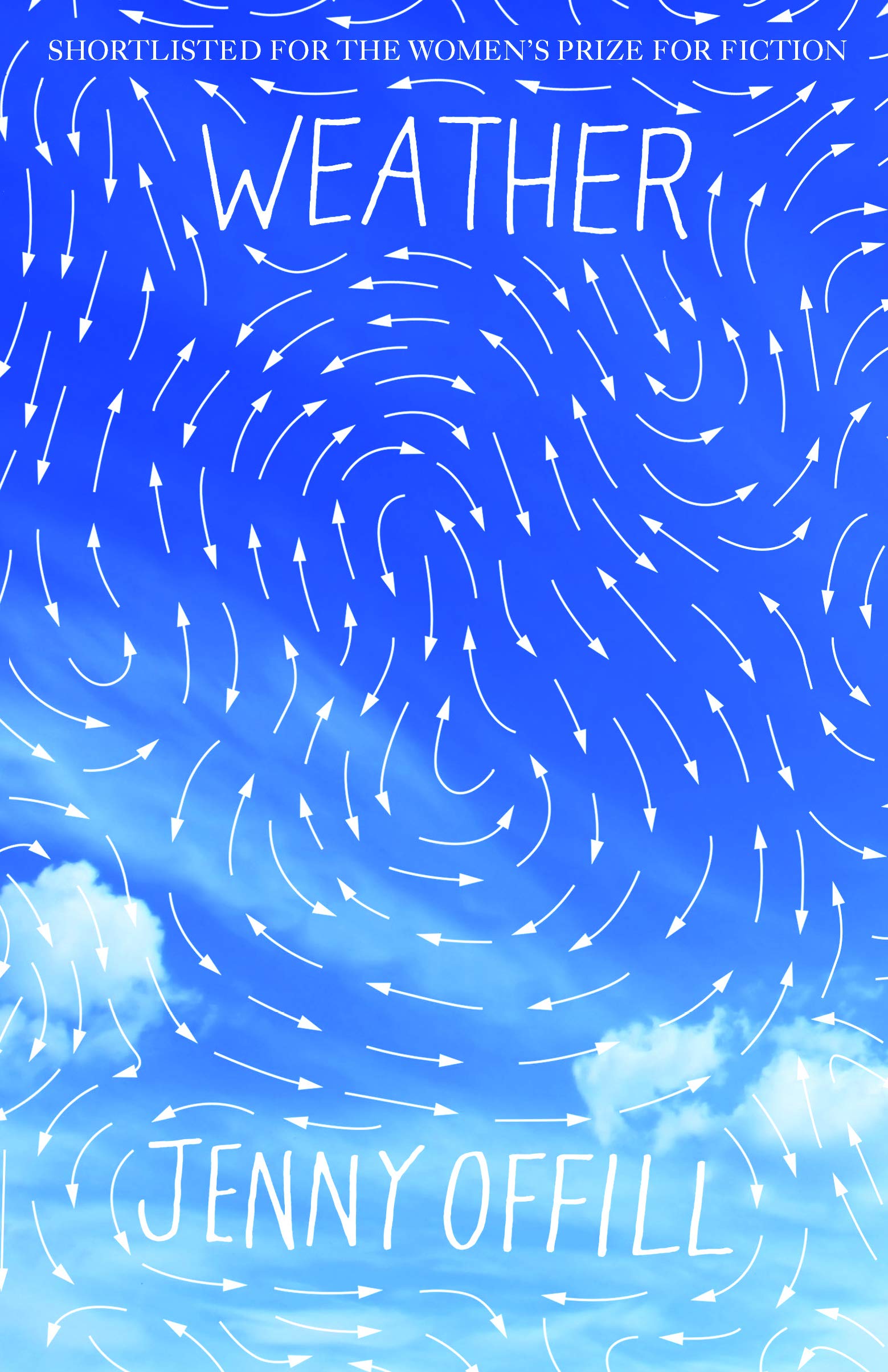
Jenny Offill, Weather: "Existential despair about climate change has surely never been delivered in so witty and scabrous a fashion. Offill’s librarian/mother/eco-blogger protagonist observes life in hilarious, emotive and poignant short segments that burst with voice and vitality."


Lee Wright


Anna Neima, The Utopians: "The significant story of six previously untried attempts by visionaries ahead of their time, to build near-perfect societies in the aftermath of the First World War. Social dreaming and paradises found and lost."